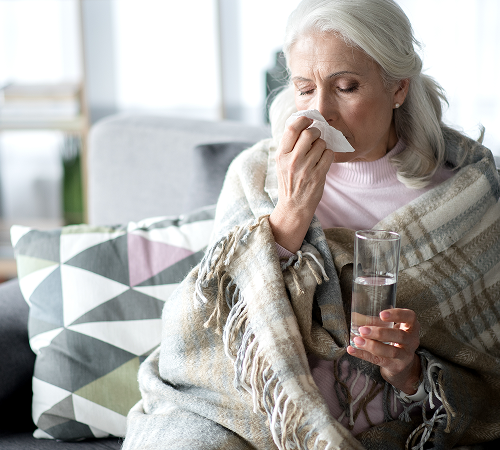
RSV Vaccinations
Respiratory Syncytial Virus is a highly contagious respiratory virus that infects the lungs and airways. It spreads easily from person to person, usually through direct contact, such as touching contaminated surfaces or close contact with someone who is infected. RSV is very common. In fact, most children will have been infected by the age of two or three. The virus follows a seasonal pattern and usually circulates from fall to early spring, with peaks in winter.
For many people, RSV causes mild symptoms. However, in some cases it can lead to serious complications such as pneumonia or bronchiolitis, which is inflammation in the small airways of the lungs. Although many people recover in one to two weeks, RSV can sometimes cause severe illness especially in young children, older adults, people with chronic health conditions, or people with weakened immune systems.
In recent years, vaccines have been developed to help protect people against RSV. These vaccines are an important tool, especially for those at higher risk of severe disease. Current guidelines suggest vaccinations for adults 60 years and older, adults 50-59 years of age with medical conditions, and pregnant individuals to protect their newborns.
COVID-19 Vaccinations
COVID-19 is an infectious respiratory illness caused by the SARS-CoV-2 virus. While many people experience mild symptoms, others can become seriously ill, especially older adults and those with underlying health conditions. Vaccination is one of the most effective ways to protect against severe illness, hospitalization, and death. COVID-19 vaccines help train the immune system to recognize and fight the virus, allowing the body to respond more quickly if exposed.
Public health authorities recommend staying up to date with recommended doses, as protection can decrease over time and new variants may emerge. COVID-19 vaccines have been widely studied and continue to be monitored for safety. Most side effects are mild and short-lived, such as soreness at the injection site, fatigue, or headache. Vaccination also helps reduce the spread of the virus and protects people at higher risk of severe disease. Many COVID-19 vaccines can be given at the same time as other vaccines, including the flu shot. Ask your pharmacist for more information.